Marta, the sentinel of Lake Bolsena: where time smells of fresh water and fishermen’s stories
by Giovanni Bosi, Marta / Lazio / Italy
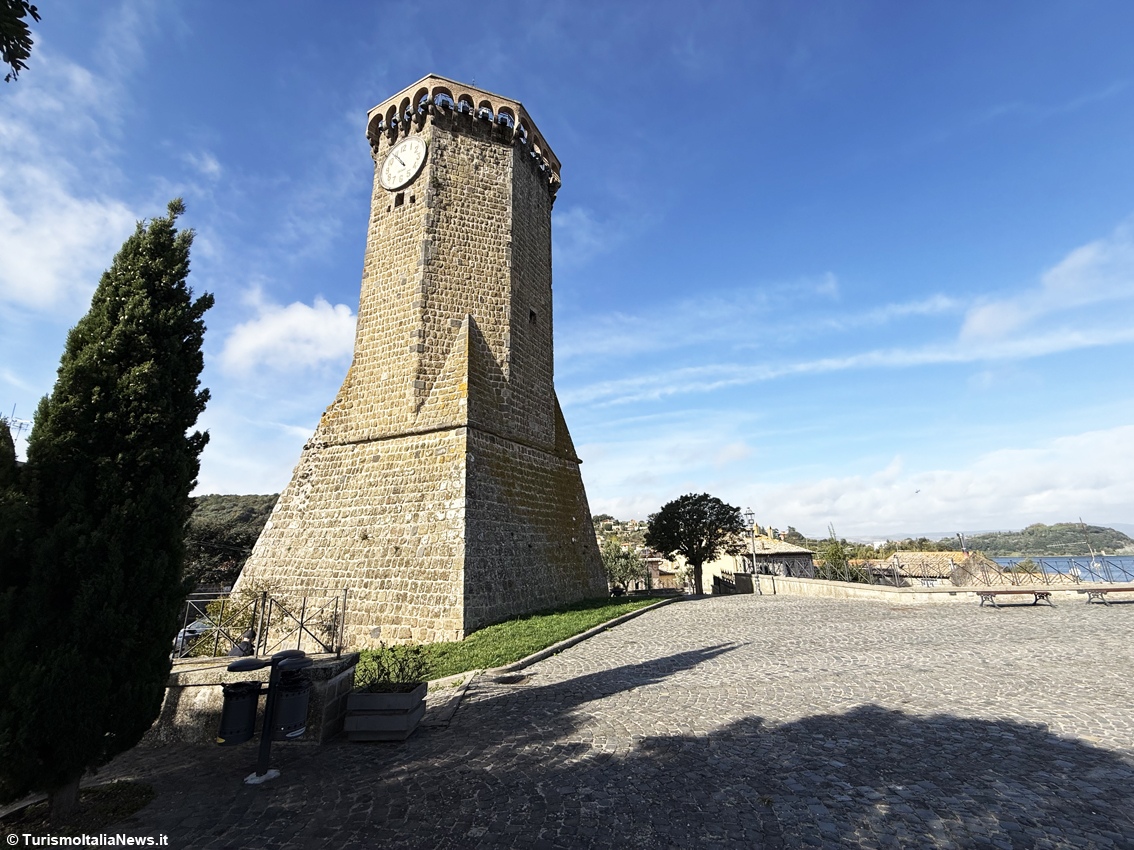
There is a precise moment, upon arriving in Marta, when Lake Bolsena seems to hold its breath. It’s the instant when the Clock Tower, the silent queen of the village, reveals itself in all its majesty and, with its steady ticking of tranquil hours, tells the story of a place that has turned its vocation into an art form and its tradition into destiny. The same tower that now, thanks to its artistic lighting, serves as a beacon in the night — as if to remind us that here, the fishermen are still the protagonists of daily tales of passion and flavor.
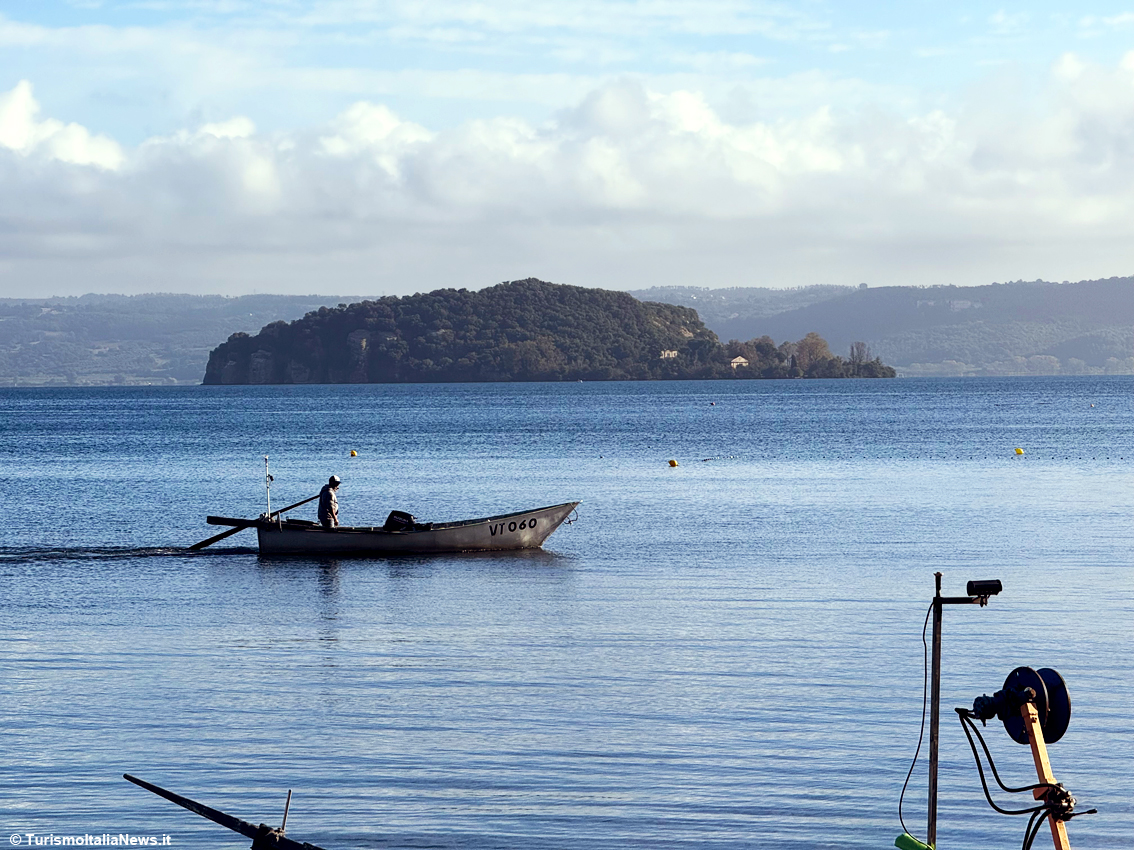
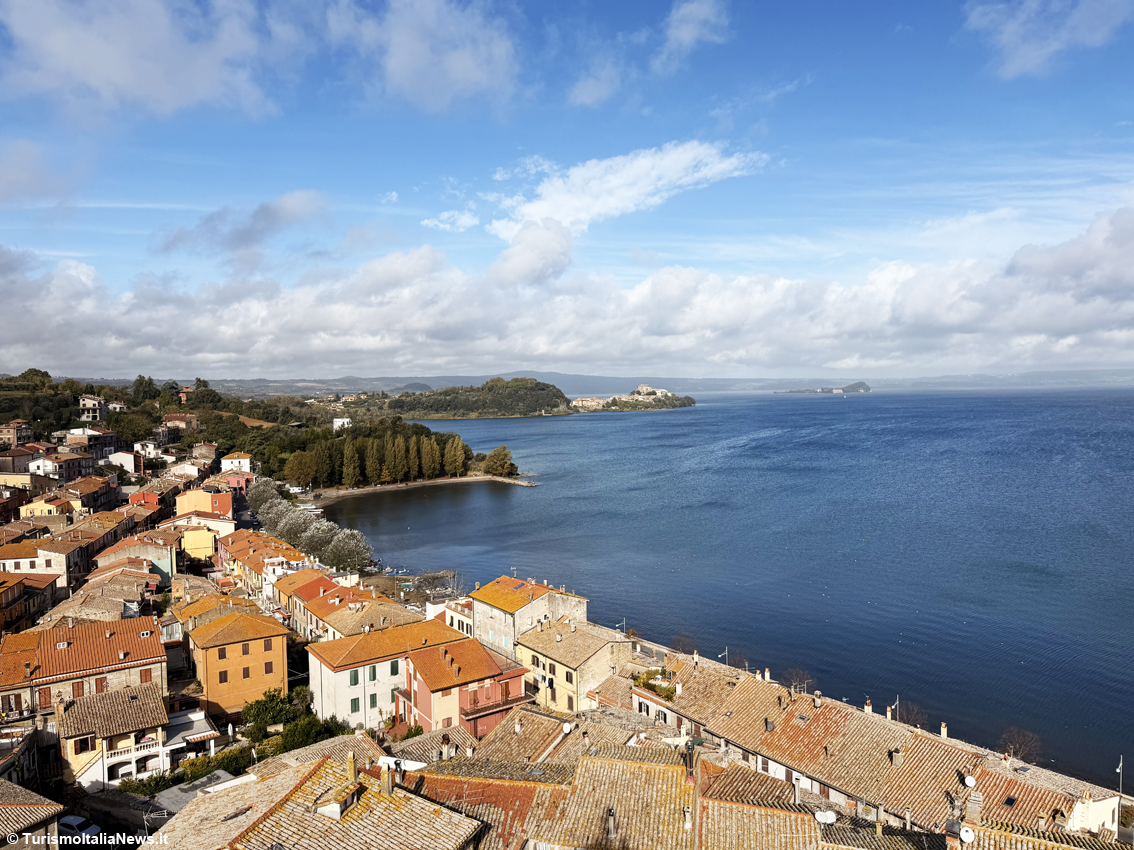
(TurismoItaliaNews) We are in Tuscia, an ancient and secret land in the province of Viterbo, where every village seems to hold a story suspended between myth and reality. Marta, gracefully spread along the southern shore of Lake Bolsena, gazes straight into the eyes of Martana Island, reflecting its mystery in the lake’s deep, crystalline waters. It is a place of fishermen, of wind and light, where water is a living presence — mother, labor, and poetry.
The fishermen’s village and the breathing lake
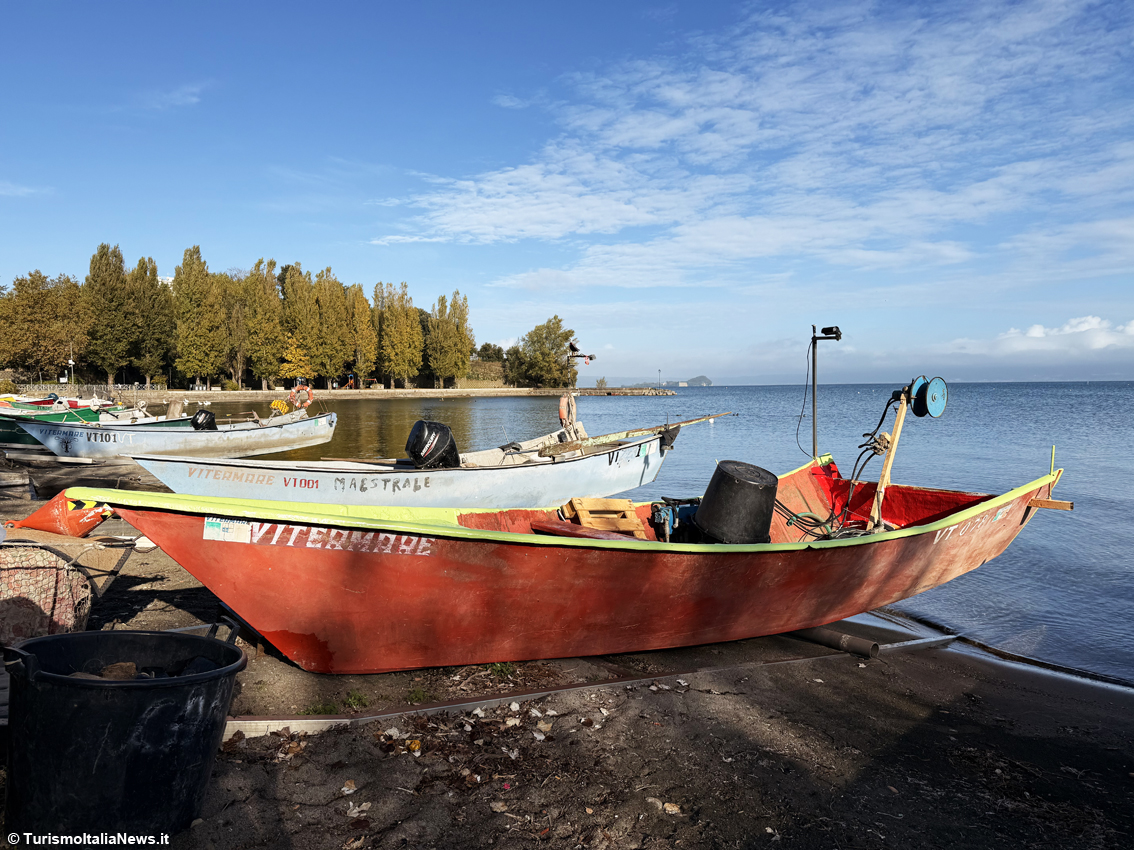
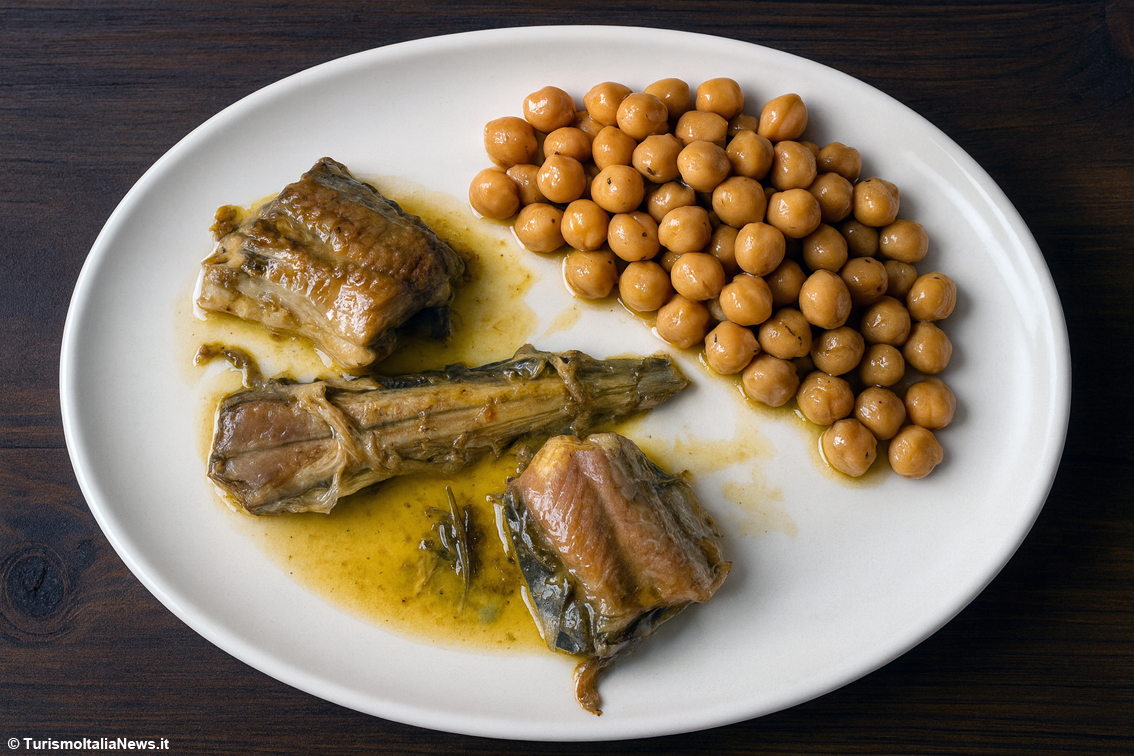
Walking through the Borgo dei Pescatori, the Fishermen’s Quarter, is like leafing through an old travel diary written in dialect. The colorful houses are mirrored in the water, nets dry in the sun, and the fishermen — guardians of ancient knowledge — patiently mend their gear, as if stitching back together the invisible thread that binds past and present. Coregone, perch, pike, and eel are the undisputed protagonists of every day: here, lake fish is not just food, but identity. “Every August, the Fishermen’s Festival celebrates this bond with an explosion of aromas and flavors — crispy fried fish, stories told at sunset, and the golden reflections of boats returning to shore,” says Giuliano Rocchi, president of the local cultural circle. The waters of Bolsena are a miracle of purity. It is Europe’s largest volcanic lake, born from ancient collapses of the ground and the mouths of long-dormant craters. Its depth — 151 meters — hides secrets, rare fish species, and legends still whispered along the shores when fog rises and silence thickens.
The Clock Tower: the Lady of time
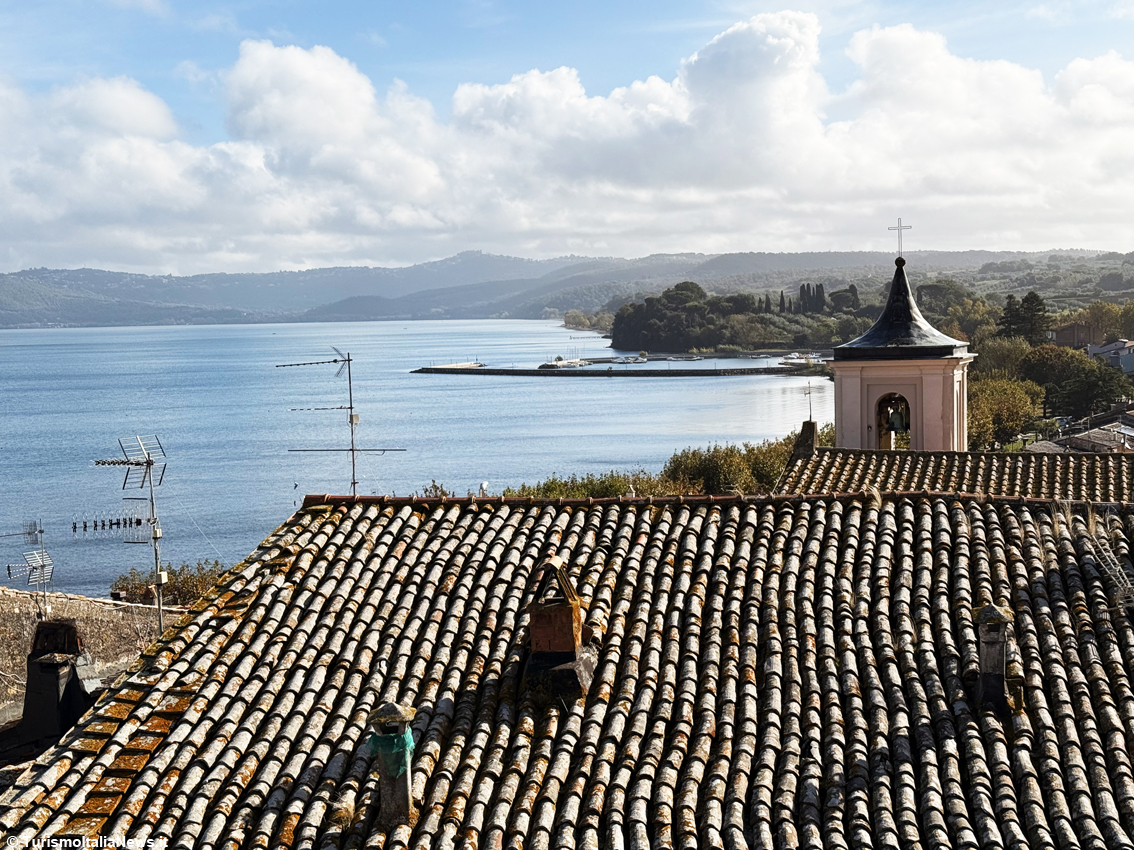
But the heart of Marta beats above, where the Clock Tower has watched over the village for centuries. Tall, elegant, with a truncated pyramid base and octagonal upper section, the tower is a masterpiece of medieval balance and mystery. Built around the 13th century, it stands as a sentinel between sky and water, offering one of the most stirring views in Tuscia: the blue expanse of the lake, the Martana and Bisentina islands, the red rooftops of the village, and the hills fading into the horizon. Once a watchtower, later a prison for “rebellious” clerics, and finally a symbol of civic pride, the Tower also bears a powerful mark of local history — the Farnese coat of arms, belonging to the noble dynasty that ruled these lands with splendor and intrigue, linking Marta to legendary figures such as Giulia Farnese, the beautiful lover of Pope Alexander VI.


Marta and Tuscia: a journey through slow time
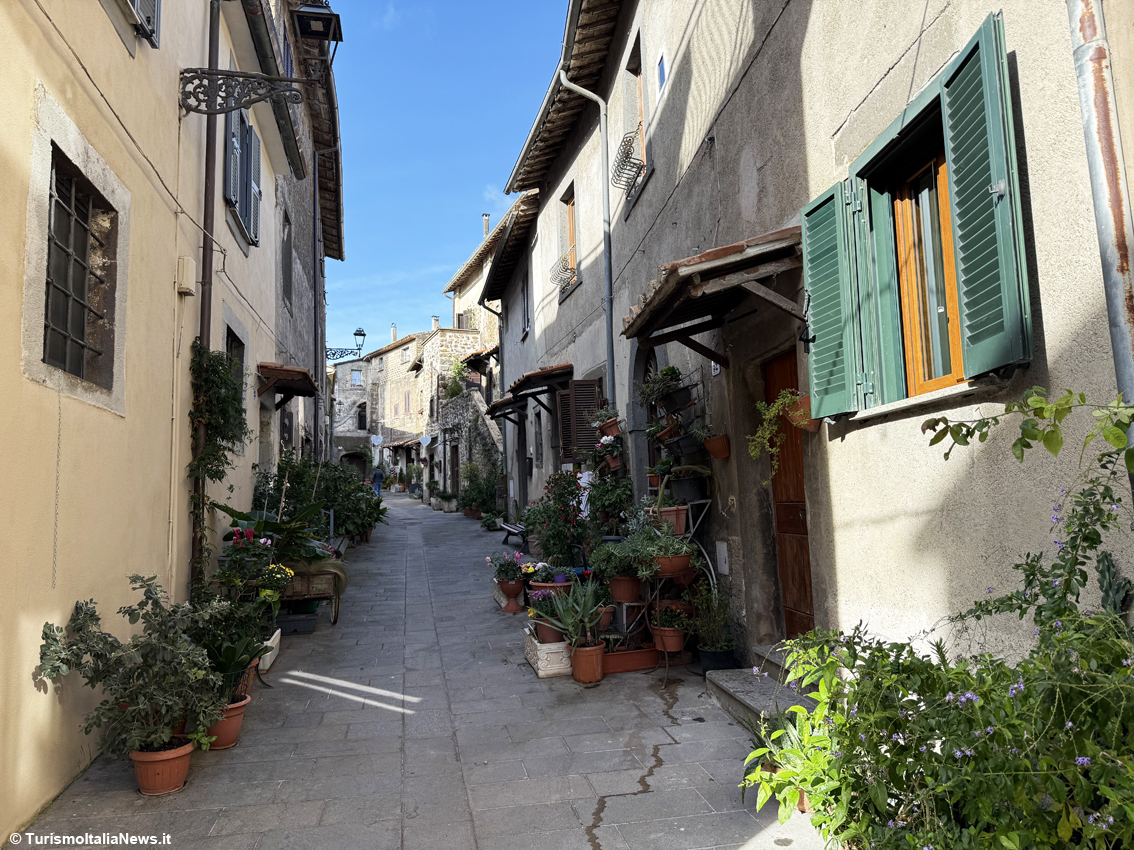
“Marta’s beauty lies in the details,” says Deputy Mayor Roberto Pesci with pride. “A stone arch framing the lake, a narrow lane scented with wisteria, the sound of water brushing against ancient walls. The village seems to breathe to the rhythm of the water.” The Marta River — the lake’s only outlet — guides visitors toward a romantic lakeside promenade, where the sunset reflects in the boats and the light slides over the waves like silk. Around it, Tuscia unfolds as a mosaic of ancient villages and enchanted landscapes: Bolsena, Capodimonte, Montefiascone, Tuscania, Civita di Bagnoregio… places seemingly carved from tuff rock, suspended between sky and earth. It’s a land of soft hills and silent lakes, of castles and festivals, of saints and popes, of generous wines and wood-fired bread.
Tradition as a future rooted in the past
“Today, Marta looks to the future with the same patience that fishermen cast their nets at dawn,” says Mayor Maurizio Lacchini. “Here, tradition and vocation are not nostalgia — they are engines of rebirth. Tourism, the promotion of local products, and the rediscovery of ancient waterways all contribute to restoring this lakeside village to its former dignity. Visiting Marta is not just an excursion; it’s a small ritual of reconciliation with time and nature.” It is an invitation to slow down, to listen to the sound of the waves, to be watched by a tower that has observed the world flow by for centuries and, with its ancient clock, seems to whisper: “Here, time is never lost — it is found again.”


A leading role with Dmo Expo Tuscia
“Marta is one of the featured villages in the Dmo Expo Tuscia initiative,” notes president Vincenzo Peparello. “Our goal is to promote a new participatory model of development that actively involves local communities, small businesses, and artisans — offering them growth opportunities, especially for those often excluded from traditional tourism circuits. The event aims to highlight the work of local business networks, ensuring a fair redistribution of the region’s economic opportunities. Enhancing local traditions also strengthens cultural and social inclusion, helping preserve the territory’s identity while making it more attractive to a broader audience.”